


Yes – blogging is still a great way to make a living! The rules have changed, but blogging remains as powerful – just in a different form. If you’re thinking about monetizing a blog in 2025, you’ll need to think bigger than just Google. Search volatility is at an all-time high, and smart bloggers are now building multi-channel ecosystems, not just search-dependent websites.
Here’s why a good old-fashioned blog—when done strategically—is still one of the best digital assets you can own and how to make yours work in today’s fast-changing content landscape.
There Are Still a Lot of Blogs – But the Playing Field Has Changed
How can you be sure you still have a chance as a blogger?
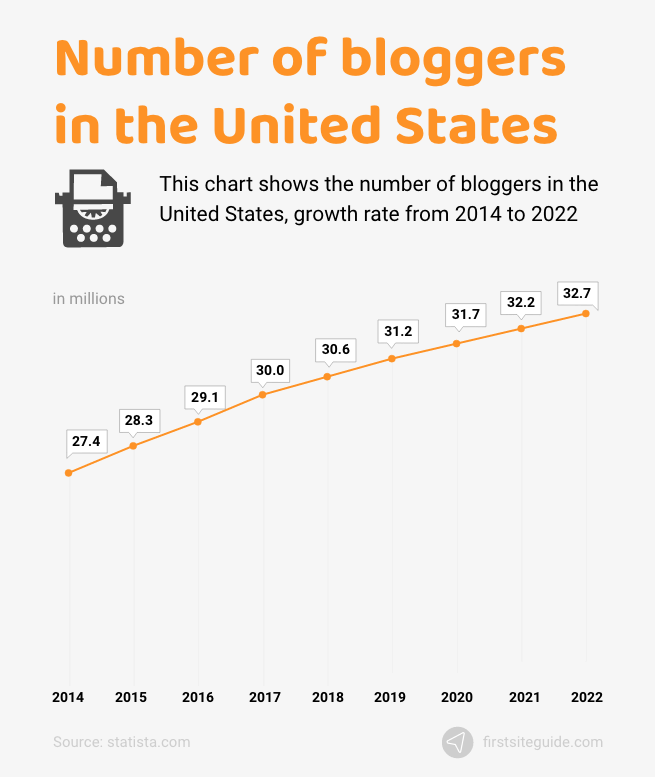
Blogging remains deeply woven into how people consume online content. When we want to learn something, we often still end up on a blog—even if we find it through Pinterest, a podcast description, or LinkedIn instead of just Google. In fact, blogs power a massive chunk of online information.
Just look at these blogging stats:
- There are over 600 million+ blogs on the internet
- Each day more than 7.5 million blog posts go live
- 77% of internet users regularly read blog posts.
To be fair, it’s a crowded space. But that doesn’t mean you can’t stand out—especially if you focus on specificity and strategy from day one.
How Many Blogs Still Make Money in 2025?
The earning potential in blogging remains high, but so does the competition.
Beginner bloggers in 2025 are realistically earning $500–$1,500/month in their first year—with consistent effort and smart niche choices. Most successful bloggers who stick with it, diversify their income, and optimize their content ecosystem can build up to $45,000/year and beyond. And yes, there are still full-time bloggers making $200,000+ annually.
Beginner bloggers in 2025 are realistically earning $500–$1,500/month in their first year—with consistent effort and smart niche choices. Most successful bloggers who stick with it, diversify their income, and optimize their content ecosystem can build up to $45,000/year and beyond. And yes, there are still full-time bloggers making $200,000+ annually.
But the hard truth? Only about 30% of blogs ever turn a profit.
So why do most blogs still fail?
- Unrealistic expectations. Blogging isn’t a get-rich-quick scheme.
- Inconsistent publishing. Success comes from steady, long-term output.
- Lack of niche clarity. Being too broad makes it nearly impossible to grow authority.
- Overreliance on one platform—especially Google.
Search Volatility Is Real – Don’t Rely Solely on Google
Let’s talk about the elephant in the room: Google is no longer a stable traffic machine.
With frequent core updates, AI-driven search changes, and the rise of AI answers replacing traditional links, relying only on SEO is risky business. While SEO is still important, it should only be one part of your traffic strategy.
The good news is if you already understand SEO then transitioning to other platforms for traffic will come second nature. SEO is now king across virtually all platforms.
Smart bloggers in 2025 are building multi-channel audiences:
- Email newsletters to build direct, owned traffic.
- Social platforms like Pinterest, Instagram, LinkedIn, TikTok, and Facebook.
- YouTube and Shorts for video-first visibility.
- Podcasts to connect on a personal level.
- AI platforms and voice search like Google Discover, Alexa, and Siri.
In short, you’re not just building a blog – you’re building a brand.
Digital Consumption Is Still on the Rise
Here’s the good news: people aren’t slowing down their content consumption—they’re consuming more than ever.
- The average U.S. adult spends over eight hours a day with digital media.
- As of 2025, 75% of users will be mobile-only.
- Short-form video and audio are gaining dominance.
Because of this, your blog needs to fit the mobile-first and multi-format lifestyle. This means:
- Easy-to-read blog posts with mobile UX in mind.
- Embedded videos and short-form content.
- Visuals, infographics, and interactive features.
So if you’re considering starting a blog, the old adage applies, there’s no time like the present.
Bloggers looking to earn money must adapt traffic sources, diversity monetization sources, and optimize for mobile consumption. Blogs that provide the best mobile user experience will take the lead and set the trend for others to follow.
Podcasting and Blogs
Blogging is not the only way people consume content.
Podcasts surpassed 100 million listeners in 2024, which lends itself perfectly for creatives who know how to use these formats together to build a multi-platform experience for users.
In fact, combining the effects of blogging and podcasting early on might help ambitious content creators stay ahead of the curve.
The two mediums make a perfect match – while the text is information-rich and fit for evergreen content, audio is more engaging and brilliant for creating a personal connection with the audience. Add video to the mix, and you have a trifecta.
Video Blogs
Video is in an even better position than podcasting, with 3.37 billion digital video viewers worldwide. As a blogger, you should tap into that and make it a part of your broader strategy.
Because let’s be honest – not everyone has the patience to read a 3,000-word article.
When asked how they research products and services, 73% of consumers said they prefer to watch a short video, while only 11% would rather read an article.
Ranging from hour-long YouTube episodes to TikTok shorts, video blogs allow creators to appeal to many different types of content consumers.
The silver lining here is, you’ve already put in the research and effort to write the blog post, so repurposing that content is easy.
Finding a Micro-Niche Is More Important Than Ever
Want to stand out in the sea of content that exists in 2025? Get specific. Then get even more specific.
Micro-niching is your golden ticket in 2025. Instead of going broad, focus deeply on a single topic or subtopic and dominate it. You’ll build trust faster, attract a more loyal following, and have a much better chance at monetization.
Take these profitable blogs as an example:
- Fit Bottomed Girls is for girls who love philosophy, food, and their natural bodies.
- Teach Junkie is a fantastic education blog for learning new teaching techniques.
- Bindi’s Bucket List is about dog enrichment to add color to the lives of four-legged companions.
- Tree Hugger is an eco blog full of advice and inspiration for sustainable living.
- Tech Savvy Mama shares tips for parenting in the digital age.
Can’t think of anything distinctive? You can still write about lifestyle, fashion, business, and other general topics, but you need a fresh twist. Whether it’s “eco-conscious digital nomads” or “Gen Z career pivots,” narrow is better.
Should You Start a Blog in 2025?
Absolutely. But come in with a strategy.
To succeed in 2025, you need:
- A specific micro-niche that aligns with your voice.
- Multi-platform content and traffic planning.
- A long-term mindset and commitment to consistency.
- Mobile-first optimization and content adaptability.
Blogging is hard work, but the rewards—autonomy, income, impact—are worth it.
3 comments on “Are Blogs Profitable in 2025, and Should You Start One?”


Thanks, this is helpful! I am a veteran teacher who started as a substitute. I learned a lot of lessons on my own quickly about how to manage an unfamiliar classroom become a sub that got repeat call-backs. With a sub shortage, many districts accept anyone with a sub certificate and a pulse. This short changes our kids. Therefore, I have always wanted to share my tips for being an effective substitute teacher but didn’t know how. This article has shown me that a blog will be superior to a book. I think I’ll give it a try.
Thanks and good luck Edie!
The article “Are Blogs Profitable in 2023, and Should You Start One?” explores the viability of starting a blog as a way to generate income in the current year. The author discusses the various ways in which bloggers can monetize their content, including through sponsored posts, affiliate marketing, and advertising.