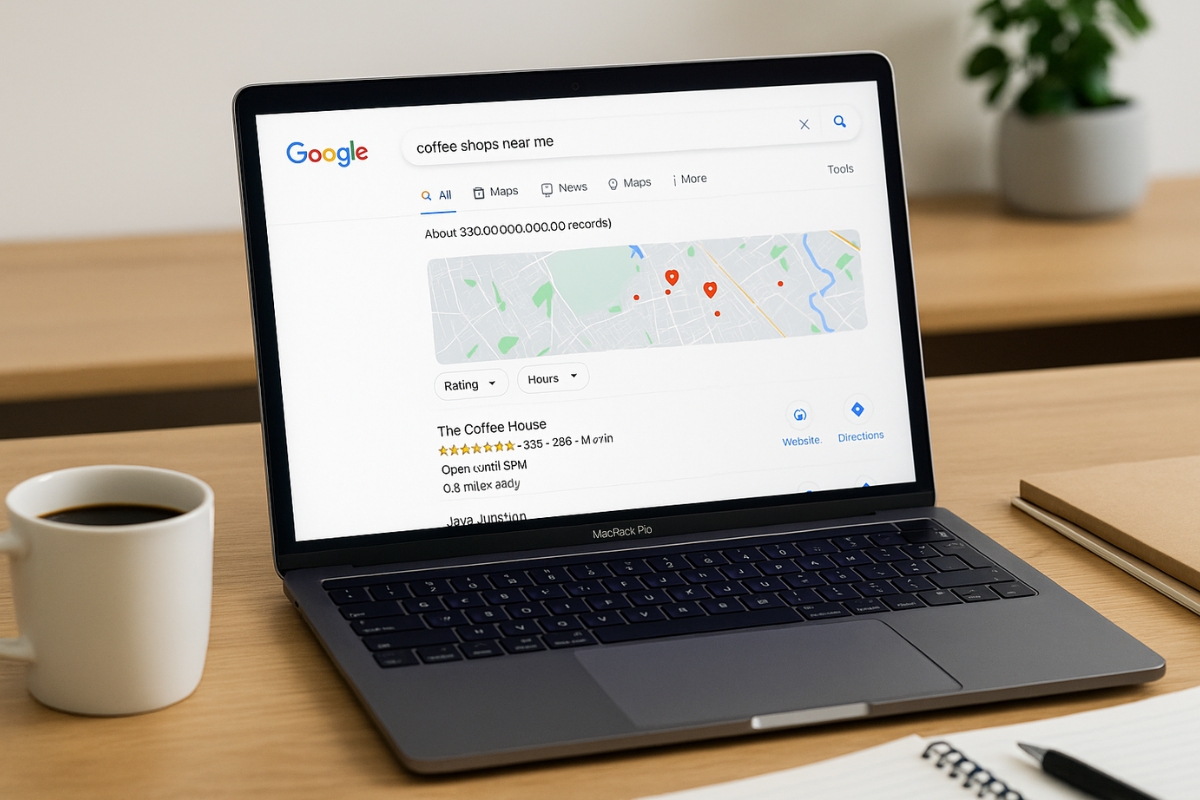
If you’ve ever wondered whether to hire a Local SEO consultant or just roll up your sleeves and handle it yourself, you’re not alone. Business owners and new bloggers ask this all the time, and the answer isn’t a simple yes or no.
So, let’s break it down in plain English, step-by-step, so you can decide what’s right for you. No jargon, no overcomplication, just what you really need to know.
Why Local SEO is a Big Deal
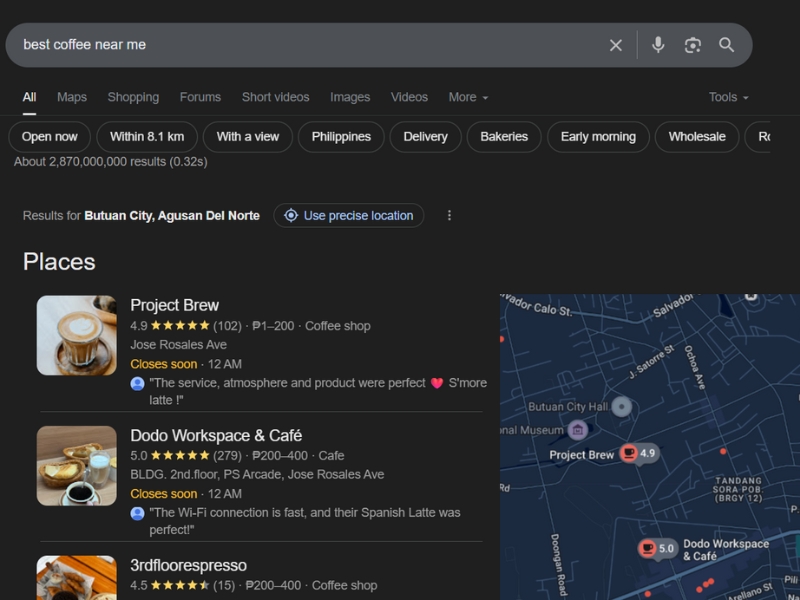
Local SEO is about making sure your business shows up when people in your area search for what you offer. Think about someone Googling “best coffee near me.” If your café isn’t optimized for local search, you’re probably invisible to that person.
Good local SEO helps you:
- Appear on Google Maps and in the “Local Pack” results
- Attract customers already looking for what you sell
- Compete with bigger brands in your area
Whether you do it yourself or hire a pro, the goal is the same: help people find you easily, trust you quickly, and choose you over the competition.
The DIY Route: Pros and Cons

Why DIY Might Work for You
- Budget-friendly as there are no consultant fees.
- You learn valuable skills you can apply to other projects.
- You have full control over changes and priorities.
A lot of people start with DIY simply because they want to understand how SEO works before handing it off. Even starting a small blog for your business can help you gain experience with SEO and it’s one of the easiest ways to build relevant content that attracts local search traffic.
The Challenges of DIY
- Learning curve: even “simple” SEO can take time to master.
- Time commitment: you’ll need to keep up with updates and trends.
- Risk of mistakes: doing the wrong things can slow results.
If you choose DIY, it helps to use free local tools that make tracking progress easier. Even an all-in-one system like GoHighLevel can save hours by keeping your analytics, contact forms, and local marketing in one place (instead of juggling ten different logins).
Hiring a Local SEO Consultant: Pros and Cons

Why It’s Worth Considering
- Expertise: consultants already know what works and what’s a waste of time.
- Faster results: no trial-and-error learning phase.
- Free up your schedule: focus on running your business.
Consultants can also help you with more technical areas, like schema markup or local citation clean-up, which can be tricky to DIY.
The Risks
- Cost: expect to pay anywhere from a few hundred to a few thousand per month.
- Finding the right fit: not all consultants are equal.
- Over-reliance: you might not learn the basics yourself.
When hiring, always ask for recent results, industry experience, and clear communication about their process. A good consultant won’t promise you the #1 spot overnight, they’ll focus on building sustainable, long-term rankings.
The Hybrid Approach

You don’t have to choose one or the other, a lot of businesses take a hybrid route. This means handling the basics yourself (updating your Google Business Profile, writing local blog content, tracking analytics) and bringing in a consultant for bigger projects like audits, link building, or technical fixes.
It’s a smart approach because:
- You stay involved and informed.
- You save on consultant fees by not outsourcing every task.
- You still get expert help where it matters most.
Step-by-Step Roadmap for Either Path

Whether you go DIY, hire, or mix both, here’s a simple game plan you can follow.
Step 1: Claim and Optimize Your Google Business Profile
- Fill in every detail: name, address, phone, website, business hours.
- Upload high-quality photos.
- Write a description using keywords naturally.
- Keep information updated regularly.
Step 2: Create Local Content
This is where blogging can play a huge role, even if it’s just a couple of posts per month. You could write about:
- Local events you’re involved in
- How your products or services solve local problems
- Guides related to your niche that mention your city or region
It’s not about becoming a full-time blogger, it’s about giving Google and potential customers more context on your business and reasons to connect you with local searches.
Step 3: Speed and Mobile Optimization
A slow or clunky site is bad for SEO and worse for user experience.
- Test your site with tools like PageSpeed Insights.
- Compress images, reduce unnecessary plugins, and choose a mobile-friendly theme.
- If you use an integrated platform like GHL for landing pages, you’ll often get built-in speed optimizations without extra tech headaches.
Step 4: Build Local Links and Citations
- Get listed in local directories like Yelp, Yellow Pages, and niche-specific ones.
- Ask for backlinks from local organizations, partners, or media.
- Ensure your NAP info is identical everywhere.
Step 5: Collect and Respond to Reviews
Reviews help with both ranking and trust.
- Ask happy customers to leave feedback.
- Respond to all reviews, especially the not-so-great ones, in a professional, friendly tone.
- Show potential customers you’re active and engaged.
Step 6: Track and Adjust
SEO isn’t “set it and forget it.” Monitor your traffic, rankings, and leads so you know what’s working.
- Use Google Search Console and Google Analytics.
- Check your Google Business Profile insights.
- If you’re using GHL or a similar system, you can see all leads, calls, and form submissions in one dashboard, super helpful for spotting trends.
Which Option Should You Choose?

Here’s the quick decision guide:
Choose DIY if:
- You have time to learn and apply SEO basics.
- You’re on a tighter budget.
- You enjoy experimenting and problem-solving.
Choose Consultant if:
- You want faster, more polished results.
- You don’t have time to manage SEO yourself.
- You can invest in professional help without stretching your budget.
Choose Hybrid if:
- You want the best of both worlds.
- You’re happy to learn but value expert input for bigger projects.
Final Word

Whether you DIY, hire, or blend both approaches, the key is consistency. Local SEO isn’t a one-time task, it’s an ongoing effort that builds momentum over time.
If you’re DIYing, even simple steps like keeping your Google Business Profile updated, posting occasional local blog content, and using a streamlined tool to track your progress can make a big difference.
And if you hire, choose someone who explains things clearly, works transparently, and helps you grow, not just with rankings, but with real, measurable results.
Frequently Asked Questions

Yes. A consultant saves you time, avoids costly mistakes, and usually delivers faster results than learning on your own.
Yes. You can handle basics like Google Business Profile updates, local content, and reviews. It takes consistency and time to see results.
Most charge anywhere from a few hundred to several thousand dollars per month, depending on your industry and needs.
The biggest risks are wasted time, a steep learning curve, and errors like inconsistent listings or poor keyword use that hurt rankings.
DIY: Best for small budgets and learning.
Consultant: Best for faster, professional results.
Hybrid: Best if you want control but also expert help for technical work.