Most people think creating a content marketing plan takes weeks of brainstorming, endless meetings, and color-coded spreadsheets. Truth is, you can put together an effective, actionable plan in just one day if you know exactly where to focus.
We’re keeping this simple, clear steps, real examples, and zero fluff, so by the end of today, you’ll have a content marketing plan you can actually put to work.
Before You Start Your One-Day Content Marketing Plan
Before diving into the steps, set yourself up for success by clearing distractions and gathering a few essentials. You want your one-day sprint to be focused and uninterrupted. Think of this as the prep work that makes how to create a content calendar in just one day actually doable.
Here’s what to have ready:
- A quiet workspace – Fewer interruptions mean faster decisions.
- Your analytics logins – Google Analytics, social media insights, or any tool you use to track performance.
- A simple planning tool – Google Sheets, Trello, Notion, or even a notebook.
- Any brand guidelines – Logos, colors, and tone-of-voice notes to keep content consistent.
- A timer – Keep each step on track by limiting time spent.
Treat this as a working session, not a brainstorming day. Decide and document – no overthinking.
Step 1: Define Your Goal and Audience (1 Hour)
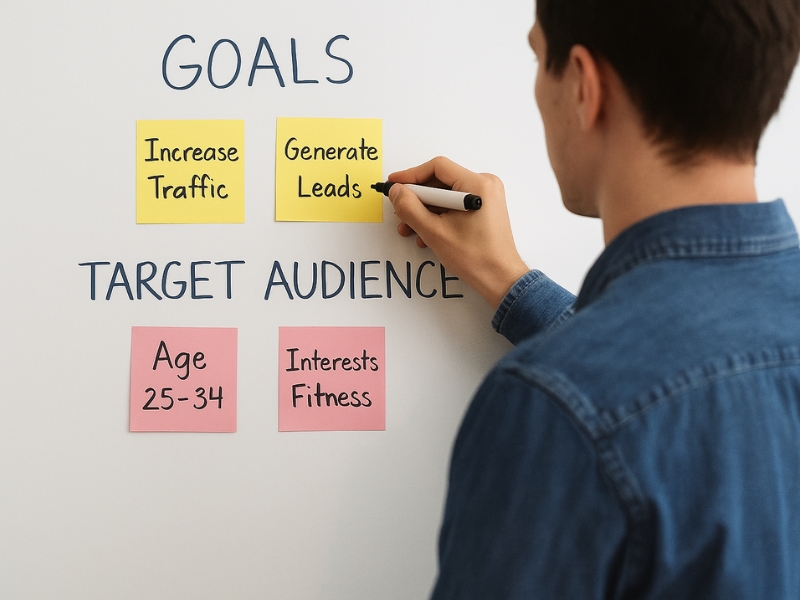
Decide exactly what you want your plan to achieve and who it’s for.
Ask yourself:
- Do I want to increase website traffic?
- Generate more leads or sales?
- Boost brand awareness?
- Build trust and authority?
Once you have a clear goal, outline your target audience.
Quick Audience Profile Method:
- Who they are (age range, location, occupation)
- What they care about (interests, values, hobbies)
- What problems they face (pain points you can solve)
- Where they spend time online (social platforms, forums, blogs)
Get just enough detail to guide your content choices; you can refine as you go.
Step 2: Audit Your Existing Content (1.5 Hours)

Before you create new content, see what treasures you already have.
Do this:
- List everything you’ve created in a spreadsheet.
- Note metrics like views, likes, comments, shares, or conversions.
- Highlight top performers to repurpose or expand.
- Flag underperformers for updating or replacing.
If you don’t have analytics set up yet, you can still check performance by looking at social post engagement, video watch times, or even customer feedback emails. These are quick wins for spotting what resonates.
Your best-performing old content can often be reimagined. Turn a blog post into a short video, or break a webinar into social media snippets.
Your best-performing old content can often be reimagined—turn a blog post into a short video, or break a webinar into social media snippets.
Step 3: Pick Your Core Content Pillars (1 Hour)

Content pillars are the main topics your content will revolve around. They keep your messaging consistent and ensure your audience knows what to expect.
How to choose them:
- Look at your audience’s biggest needs and interests.
- Align them with your brand’s expertise.
- Keep it to 3–5 pillars so you can stay focused.
Example:
If you run a fitness coaching brand, your pillars might be:
- Workouts
- Nutrition tips
- Mindset & motivation
- Client success stories
Pillars help you plan content faster and prevent topic scatter.
Step 4: Choose Your Distribution Channels (1 Hour)

Focus on the channels that matter most. You don’t need to be everywhere.
Owned Channels: Website, email list, blog
Earned Channels: Social shares, press mentions, guest posts
Paid Channels: Facebook Ads, Google Ads, sponsored posts
Choose 2–3 main channels based on:
- Where your audience is most active
- Your content type (video, blog, graphics, etc.)
- Your available time and budget
If your audience is mostly professionals, LinkedIn may be your primary channel. If they’re younger and visual-driven, Instagram or TikTok may win. For search-based audiences, prioritize YouTube or a blog.
Start small and master a few platforms before adding more and you can use ChatGPT for fast content ideas.
Your email list is one of the few audiences you truly own. Search traffic can dip, social platforms can change their rules, and ad spend can dry up, but your email subscribers stay with you. That makes it a non-negotiable channel to nurture alongside whichever other platforms you choose.
Step 5: Create Your Content Calendar (2 Hours)
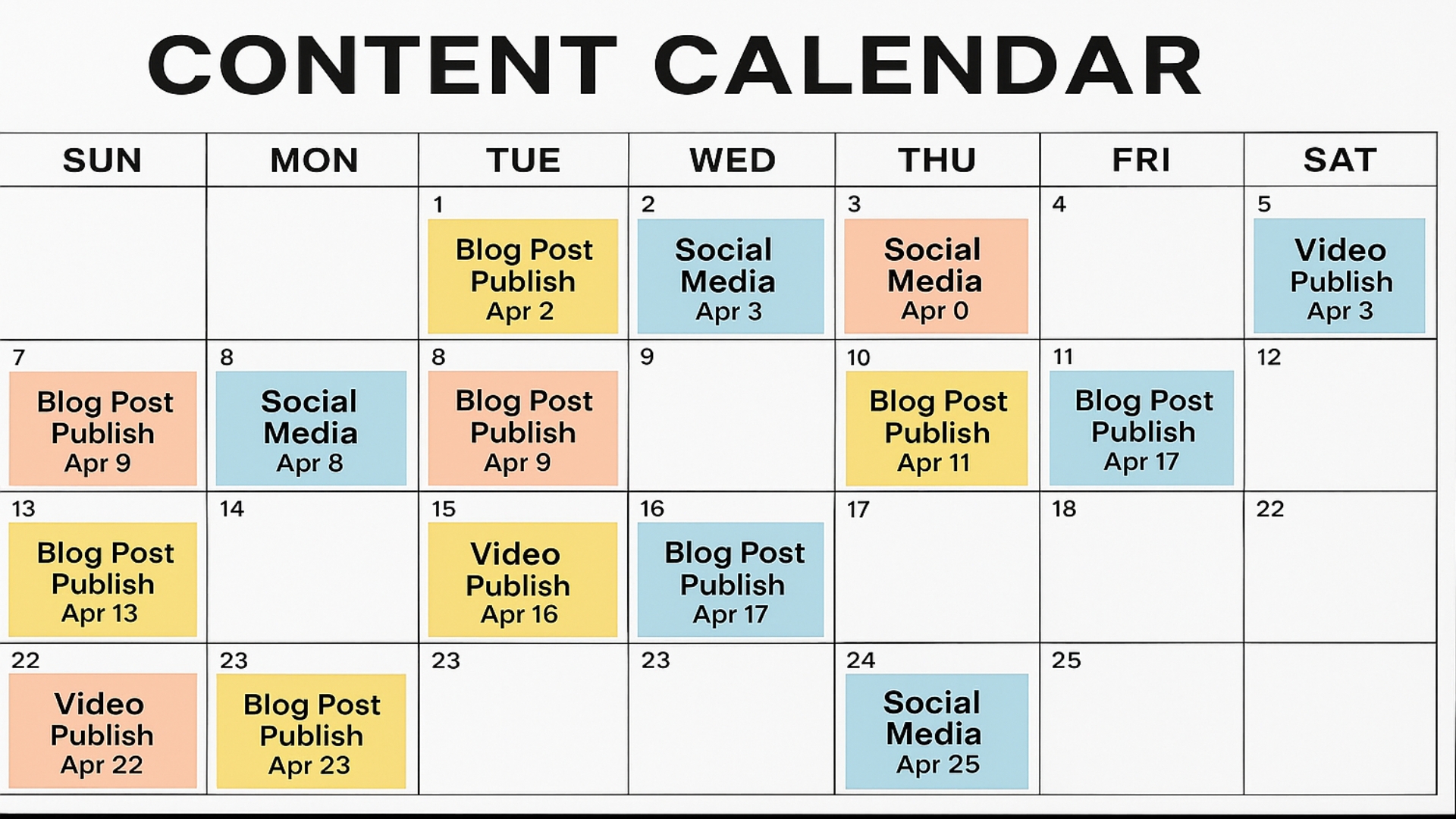
A content calendar is your game plan—it tells you what you’re posting, where, and when.
How to set it up fast:
- Use a simple tool like Google Sheets, Trello, or Notion.
- Plan content for the next 4–8 weeks.
- Assign each post to a pillar category.
- Add due and publish dates.
Mix your content types: educational (teach something), inspirational (share success stories), promotional (showcase your offer), and engagement-focused (polls, Q&As). This variety keeps your audience interested and covers different stages of the buyer journey.
Batching Tip: Group similar tasks together. Write captions in one session, design graphics in another, and theme your days—like Motivation Mondays or Tutorial Tuesdays—to save time and stay consistent.
Step 6: Set KPIs and Tracking Methods (30 Minutes)

A plan is only effective if you can measure how well it’s working. KPIs (Key Performance Indicators) keep you focused on what really matters and help you know when to pivot.
Choose 3–5 key metrics:
- Website traffic
- Email signups
- Social engagement (likes, shares, comments)
- Lead conversions
- Sales from campaigns
Tracking tools:
- Google Analytics
- Social platform insights
- A simple Excel sheet for logging progress
For a new content plan, focus on relative growth, like aiming for a 10–20% increase in website visits or engagement over the next month, rather than chasing huge numbers right away.
Focus only on the metrics that directly connect to your goals.
Step 7: Assign Roles and Deadlines (30 Minutes)

Even if you’re solo, assigning tasks to specific days keeps you accountable.
If you have a team:
- Assign creation, editing, and posting tasks clearly.
- Use project management tools like Asana, Trello, or ClickUp.
- Hold a short weekly check-in.
If you’re solo:
- Block time for idea generation, creation, posting, and engagement.
- Keep your calendar visible so deadlines don’t sneak up.
Avoid These Quick Pitfalls

Before you wrap up your plan, watch out for these common slip-ups:
- Trying to be everywhere at once
- Choosing too many content pillars
- Tracking every metric instead of the important ones
- Delaying action while chasing perfection
One Day, One Plan: Now Make It Happen

In one day, you can set clear goals, define your audience, audit existing assets, choose pillars, pick channels, build a calendar, and set KPIs. The next step is action—publish your first piece, test what works, and adjust. The sooner you start, the sooner you’ll see results.
Frequently Asked Questions
Yes, if you focus only on the essentials. You’re mapping the strategy, not creating every piece of content today.
No. Free tools like Google Sheets, social media analytics, and a scheduling app are enough to get started.
Planning 4-8 weeks of content ideas is ideal. It gives you structure while staying flexible enough to adjust based on results.
Pick 3–5 main topics that align with your audience’s needs and your brand’s expertise. Use past performance data to confirm what resonates.
Review your KPIs monthly. Adjust your plan if performance data shows shifts in traffic, engagement, or conversions.
Focus on 2–3 platforms where your audience is most active. For example, professionals on LinkedIn, younger audiences on Instagram or TikTok, and search-driven users on blogs or YouTube.