When you build a content funnel, your goal is to create a path that moves strangers closer to becoming customers. The problem? Even experienced marketers fall into traps that hurt results. These mistakes are often subtle but can cause big drops in engagement and conversions.
The good news? They’re easy to spot and fix once you know what to look for. This guide breaks down the five most common funnel mistakes and shows you how to correct them for better outcomes.
Why Content Funnels Matter
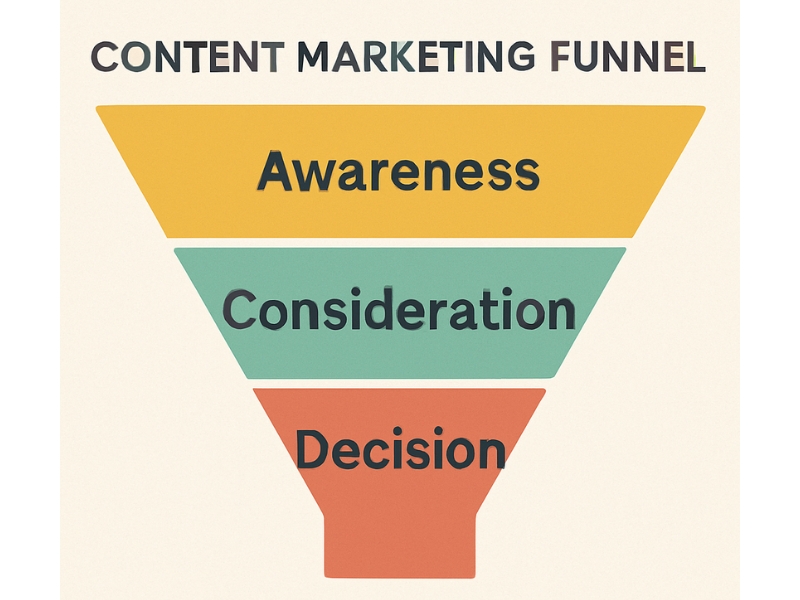
A funnel isn’t just marketing jargon – it’s the structured path your audience follows before they’re ready to buy. Each step has a purpose:
- Awareness – when people first learn about you.
- Consideration – when they weigh options.
- Decision – when they take action.
When all steps work together, you establish credibility and address the right needs at the right time. When they don’t, prospects lose interest and disappear.
Common Signs Your Funnel Isn’t Working
Before diving into the mistakes, it’s worth checking for warning signs:
- High bounce rates despite traffic.
- Leads dropping between stages.
- Content attracting clicks but no conversions.
- No clear way to measure success.
Spot any of these? You’re likely facing one or more of the mistakes below. Let’s break them down. Let’s take a closer look at each mistake and how you can fix it.
1. Skipping the Awareness Stage
Your funnel starts with awareness, the step where potential customers first discover you. A big mistake here is jumping straight into sales pitches without first building trust. At this point, your audience needs to see that you understand their problems and can offer value without expecting anything in return.
How to fix it:
- Share helpful, evergreen content like tips, guides, or free resources that answer their questions.
- Use clear, simple keywords so they can find your content easily.
- Tell stories and share relatable experiences to make your brand approachable.
- Engage on social platforms by responding to questions and joining conversations.
Subtle actions, such as consistently publishing blog posts can quietly build your authority while helping search engines surface your content to new audiences.
2. Ignoring the Middle of the Funnel
The middle of the funnel is where prospects compare options. Ignoring this stage means you miss the chance to prove why your solution stands out. They’re looking for reassurance and information to lead their choice.
How to fix it:
- Provide case studies, product comparisons, or webinars that dive deeper into solutions.
- Nurture relationships with targeted email sequences and helpful resources.
- Offer explainer videos or FAQs that address objections before they arise.
New to email automation? Here are our top email marketing picks
3. Using the Same Content for Every Stage
Not every piece of content suits every phase. Serving the same message to all audiences feels generic and loses engagement. Each step has different needs and intent.
How to fix it:
- Align content types with phase: awareness needs educational blogs, consideration benefits from demos, and decisions require strong offers.
- Repurpose smartly: transform a single blog post into videos, checklists, or slides to match different preferences.
- Speak directly to where they are in the journey, whether they’re learning, comparing, or ready to buy.
- Test formats to see what resonates most at each point.
Personalized content shows you understand your audience rather than treating them as one-size-fits-all.
4. Forgetting to Track and Adjust
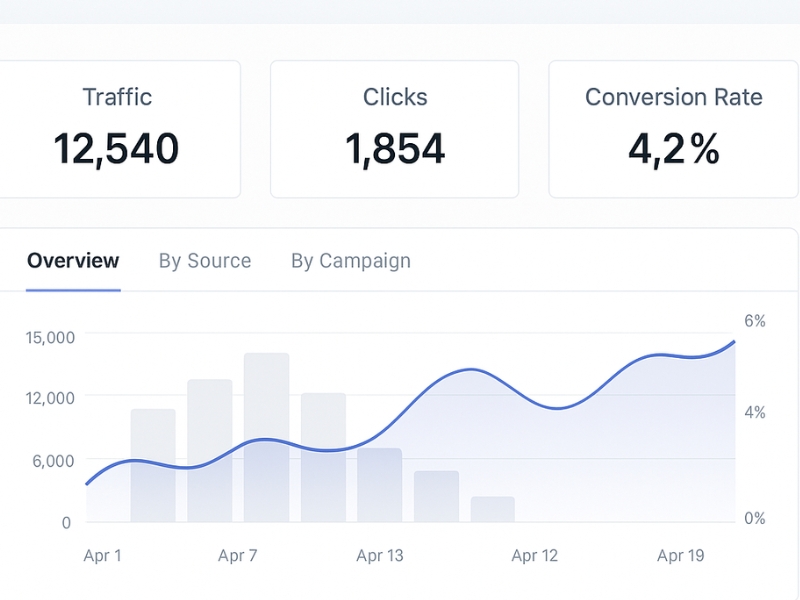
Even a solid funnel will underperform if you never measure results. Setting and forgetting your strategy leaves growth up to chance.
How to fix it:
- Track essential metrics like clicks, sign-ups, and conversions to spot patterns.
- Review performance regularly and look for areas to improve.
- Use analytics to uncover what’s truly driving results and refine your approach.
It’s normal for your conversion rate to decrease the further into your content funnel your lead gets. With tracking and tweaking pieces of your content, you’re looking to maximize your conversions at each stage.
This ongoing feedback loop helps you focus on what works and drop what doesn’t, turning data into actionable insights.
5. Lacking a Clear Call to Action (CTA)
Content that informs but doesn’t direct leaves readers at a dead end. Without a clear next step, they’re likely to drift away.
How to fix it:
- Add CTAs that lead them naturally, like suggesting a related article or inviting them to join your email list.
- Keep your CTAs helpful rather than pushy, and place them where they feel natural.
- Experiment with positioning – sometimes a mid-content CTA works better than one at the end.
- Ensure every piece of content points toward a logical next step.
When done right, even subtle CTAs can move your audience forward without overwhelming them.
Quick Checklist for a Healthy Funnel
Before you wrap up, use this quick checklist to see if your funnel is working as it should:
- Do you have content for every stage? (awareness, consideration, decision)
- Are your CTAs clear and natural?
- Do you review analytics monthly?
- Is your messaging aligned with audience intent?
If you answered “no” to any of these, start there. Small tweaks can lead to noticeable improvements.
Real-Life Example: How One Fix Changed Everything
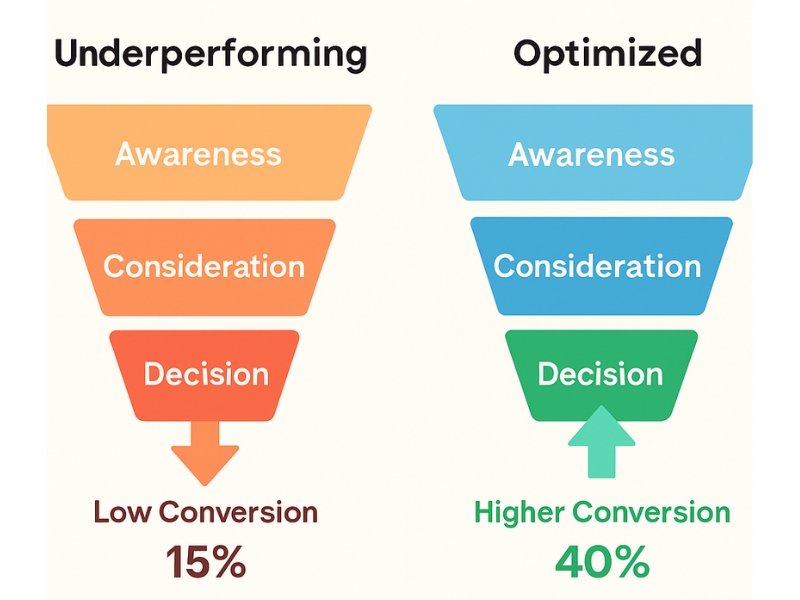
To put these tips into perspective, here’s a quick example.
A small online store was struggling to turn blog traffic into sales. They were producing content but had no clear middle-of-funnel strategy—readers would leave without taking action. After adding a simple nurture sequence and a few educational emails, they saw engagement double and conversions rise by 40% within a few months.
This shows that even one change—like improving how you guide prospects between stages—can have a big impact on results.
Final Thoughts
Building a content funnel is all about understanding your audience and guiding them at the right pace. Avoiding these common mistakes helps you create a smoother experience that naturally leads to better results.
Small improvements – like adjusting your messaging for each phase or tracking what truly works – can make a big difference over time.
Take a moment to look at your own funnel today. Where can you make it clearer, more helpful, or more engaging?
Start with one change, see how it performs, and keep refining. Step by step, you’ll see your content working harder and delivering more of the results you want.
A content funnel is the structured path a potential customer follows from first discovering your brand to making a purchase. It has three main stages: awareness (learning about you), consideration (comparing options), and decision (taking action). Each stage requires different content to keep people engaged and moving forward.
Most funnels fail because they skip a stage, use generic content for all audiences, or lack clear calls to action. Without guiding people with the right message at the right time, engagement drops and potential customers leave before converting.
You may need to adjust your funnel if you have high bounce rates, good traffic but few conversions, or leads that disappear mid-way. These issues signal gaps in your content strategy or unclear next steps for your audience.
No. Many improvements such as mapping content to each stage, adding clear CTAs, and checking analytics regularly cost nothing. Affordable tools like basic email automation can help you nurture leads more efficiently if you want to scale.
Some improvements like adding well-placed CTAs can increase engagement within weeks. Strategies that build trust and authority, such as consistent content publishing, often take several months to show strong conversion gains.
Use educational blogs, guides, and social posts for awareness (top of funnel content), case studies, comparisons, and explainer videos for consideration (middle of funnel content), and offers, testimonials, and product demos for decision (bottom of funnel content). Matching content to intent improves conversions at every stage.
Review performance at least once a month. Track metrics like clicks, sign-ups, and conversions, then adjust based on what works and remove what does not to keep results improving over time.