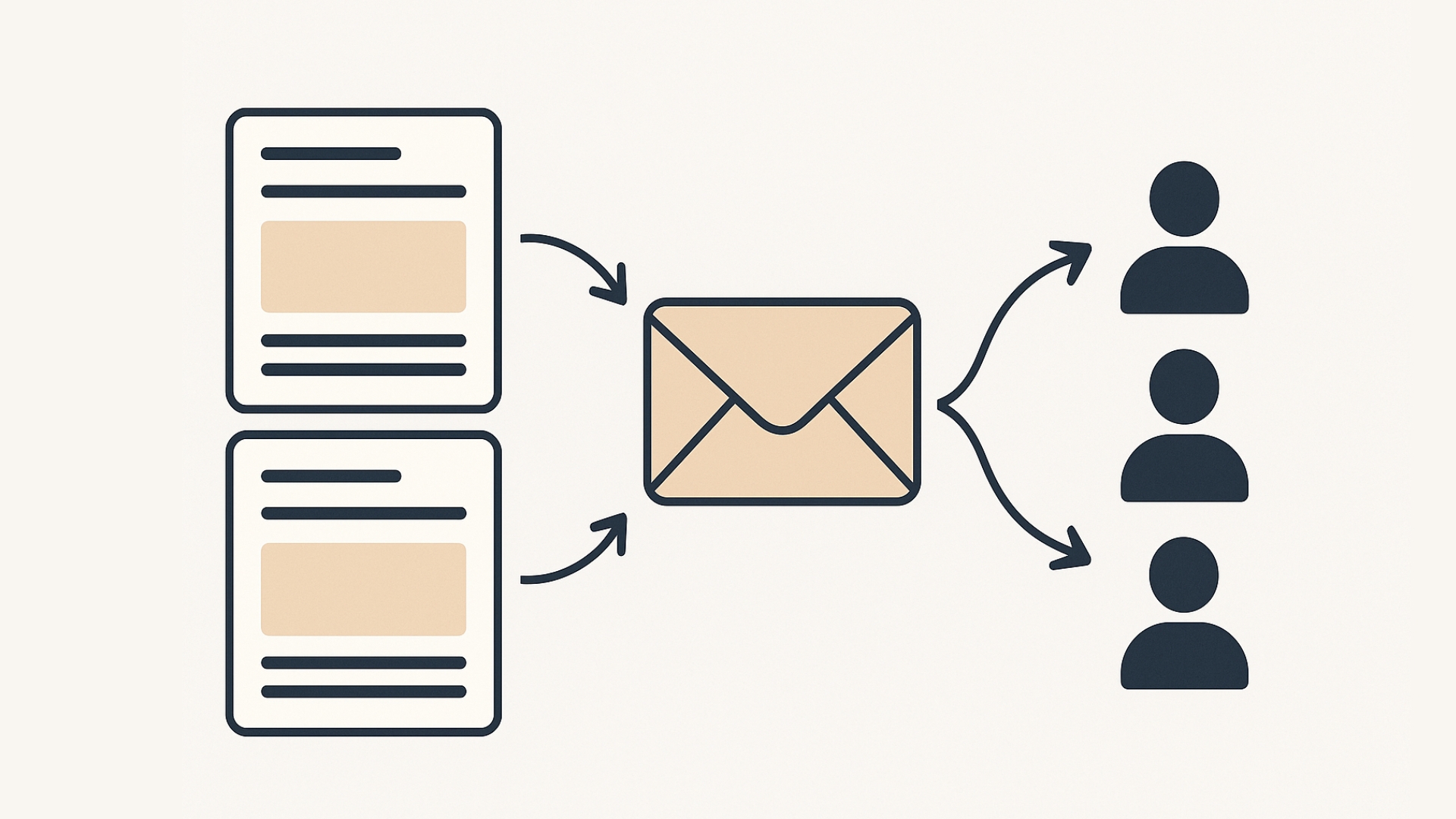
Many blogs attract steady traffic but fail to turn readers into long-term subscribers. Visitors read one post, get value, then disappear. A blog newsletter content strategy fixes this problem by turning blog content into a system that captures emails, builds trust, and brings readers back consistently.
This approach works by using existing blog posts as the foundation for newsletter growth. When done step by step, blogs become more than traffic sources. They become subscriber engines.
This guide explains how to turn blog posts into newsletter subscribers in a simple, practical way.
Why Blogs Are the Best Foundation for a Newsletter Strategy

Blogs already attract people searching for answers. These visitors arrive with intent, which makes them far more valuable than cold audiences.
Because they actively searched for a solution, they are already invested in the topic. They are not browsing casually or being interrupted by an ad. This intent makes them more receptive to follow-up content, especially when it clearly builds on what they came to learn.
A well-written blog post solves their problem.
When a reader finds a clear, helpful answer, trust starts to form. That trust is what makes a newsletter feel like a natural next step rather than a marketing push. Instead of asking for an email too early, the blog earns attention first, which increases the likelihood that readers are open to ongoing guidance.
A newsletter continues the conversation.
Search engines favor content that keeps users engaged. When readers return through email, it sends positive signals like repeat visits, longer session times, and stronger brand trust.
These behaviors indicate that the content is genuinely useful, not just optimized for rankings. While email itself is not a direct ranking factor, the engagement it creates supports long-term visibility by reinforcing content relevance and authority.
Over time, this strengthens overall SEO performance.
Blogs also create evergreen entry points. A single post can attract subscribers months or even years after it’s published.
Step 1: Identify Which Blog Posts Can Attract Subscribers
Not every blog post is ideal for newsletter signups. The goal is to focus on content that solves ongoing problems, not one-time news or updates.
Strong subscriber-focused blog posts usually fall into these categories:
- How-to guides
- Step-by-step tutorials
- Educational explainers
- Beginner guides
- Problem-solution content
- Comparison or decision-making content
These topics attract readers who want continued guidance which makes them more likely to subscribe.
Start by reviewing your existing blog content and highlighting posts that already receive traffic or engagement. These posts are the easiest places to add newsletter signups.
Step 2: Match the Newsletter Topic to the Blog Intent
A common mistake is offering a generic newsletter that feels disconnected from the blog content. Readers subscribe when the next step feels logical and the topic suits their needs.
For example:
- A blog post about SEO basics pairs well with weekly optimization tips
- A post about content planning pairs well with content ideas or checklists
- A post about local marketing pairs well with ongoing local growth strategies
The newsletter doesn’t need to repeat the blog. It should extend it. Your goal is to promise continued value related to what the reader already cares about.
This alignment increases conversion rates without aggressive calls to action.
Step 3: Add Simple, Clear Signup Opportunities
Newsletter signup forms should be visible but not disruptive. Overcomplicated popups often hurt trust and engagement.
Effective placement includes:
- Below the introduction
- After a key section
- Near the end of the article
- Inside a highlighted content box
The language should focus on value, not pressure. Examples include:
- Get weekly SEO tips, right to your inbox
- Learn how to plan your content like a pro
- Stay updated with local business growth strategies
Avoid vague phrases like “Join our newsletter” without context. Readers subscribe when they understand what they’ll receive.
Step 4: Use Blog Content as Newsletter Material
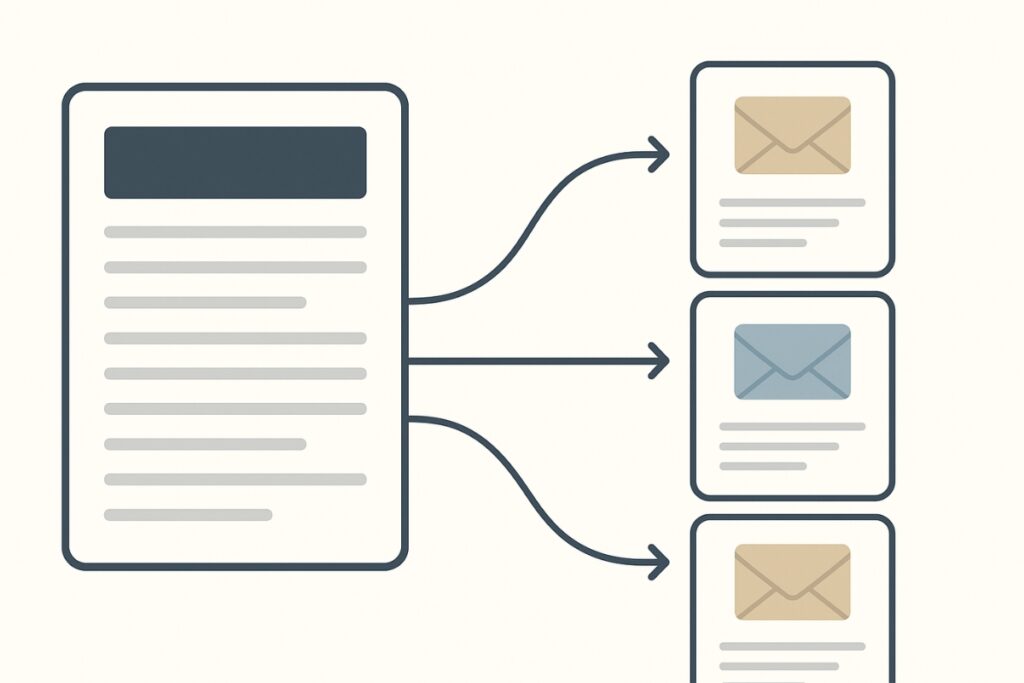
A strong SEO newsletter doesn’t require creating new content every time an email is sent. Existing blog posts already contain the value readers are looking for.
Most blogs already explain processes, answer questions, and break down concepts in a structured way. That same structure works well for email when the information is simplified and delivered in smaller portions. Instead of starting from scratch, the focus shifts to reshaping what already exists so it fits the shorter attention span of an inbox.
The goal is to recycle that value in a way that feels helpful, not repetitive.
Each blog post can be broken into smaller, email-friendly pieces. This makes newsletters easier to maintain while keeping messaging consistent.
A simple approach works best:
- Start with a short summary of the blog post
- Highlight one key takeaway or insight
- Add a short explanation or reminder
- Link back to the full article for deeper reading
This structure gives subscribers a reason to click without overwhelming them. It also reinforces the original blog content, helping it stay relevant over time.
One blog post can support multiple emails. For example:
- One email can introduce the main idea
- Another can focus on a specific section
- A third can address a related question readers often have
This won’t feel like repetition when framed correctly. Subscribers often appreciate reminders and simplified explanations, especially when topics are practical or educational.
Reusing blog content also keeps newsletters aligned with search intent. Since blog posts are already written to answer specific questions, repurposing existing blog content across email and other platforms naturally matches what readers care about.
Step 5: Create a Simple Content Flow
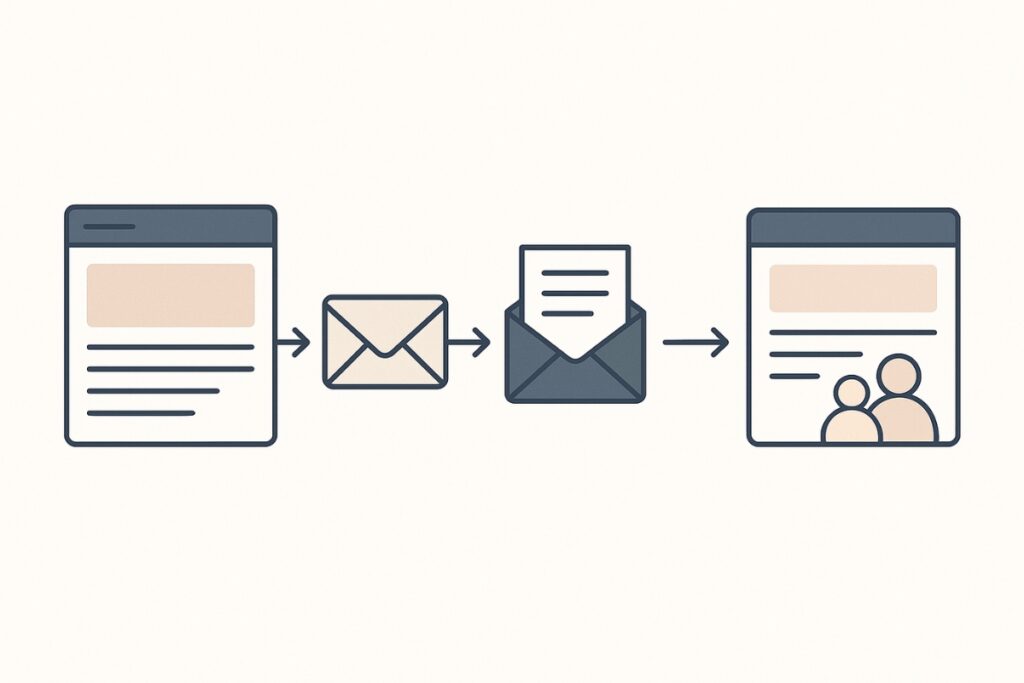
An effective system follows a clear pattern:
- Blog post attracts search traffic
- Reader finds value
- Signup form offers related content
- Newsletter delivers ongoing guidance
- Subscriber returns to the site
This loop strengthens both SEO and audience growth.
There’s no need to complicate the process. Even a basic setup with one signup form and a consistent email schedule can deliver strong results.
Step 6: Write Newsletter Emails That Support SEO Goals
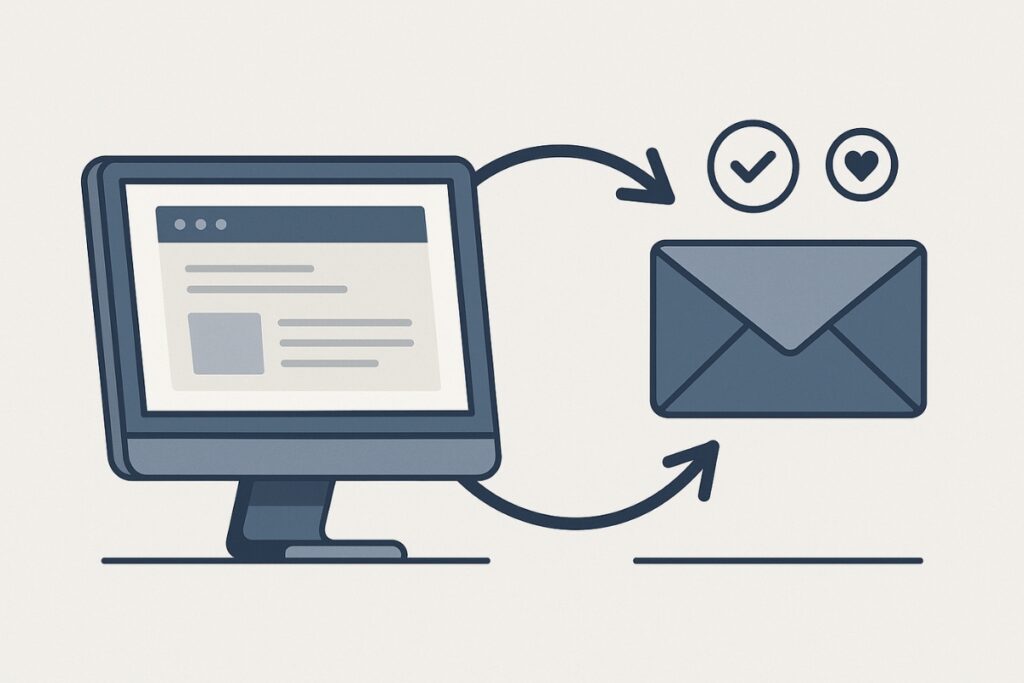
Newsletter emails do not directly improve rankings, but they support SEO in indirect and meaningful ways. When subscribers return to a site through email, it reinforces content value over time.
Effective SEO-supporting emails focus on clarity rather than volume. Each email should center on one idea and one purpose. Too many links or topics can reduce engagement.
A strong email structure usually includes:
- A clear subject tied to a specific topic
- A short introduction explaining why it matters
- One main insight or reminder
- A single link back to related content
This approach encourages intentional clicks rather than passive reading.
Emails should feel connected to the blog, not separate from it. When readers recognize the same topics and language, it builds familiarity and trust.
This consistency reduces friction for the reader. They do not need to reorient themselves or relearn your perspective each time they open an email. Instead, the newsletter feels like a continuation of the content they already chose to read, which makes returning to the site feel natural rather than prompted.
Over time, this blog and newsletter strategy increases the likelihood that subscribers return when new content is published.
The goal isn’t to force traffic, but to make reading your full blog post the next logical step. When emails provide value on their own, readers are more willing to explore further.
Step 7: Automate Where It Makes Sense
Manual email sending works, but automation helps maintain consistency, especially when choosing email tools.
Automation tools can:
- Send welcome emails
- Tag subscribers based on interests
- Deliver blog-based email sequences
- Track engagement patterns
Some businesses use systems like GoHighLevel to connect blog forms, email automation, and subscriber tracking in one place. This is optional and only useful when managing larger workflows.
Automation should support the system, not complicate it. A simple setup is often enough for most blogs.
Step 8: Optimize Blog Posts for Subscriber Growth
Small adjustments to blog posts can improve newsletter signups without affecting readability or SEO performance. Optimization should feel supportive, not intrusive.
Effective improvements include:
- Adding signup prompts near helpful sections
- Using short, clear language that explains the benefit
- Placing signup forms where readers naturally pause
Inline signup mentions often perform better than aggressive popups because they feel contextual. Readers are more likely to subscribe when the invitation matches the content they are already reading.
Refreshing older posts is also useful. Updating formatting, improving clarity, or adjusting signup placement can lead to noticeable improvements without rewriting the entire article.
These changes keep content helpful while gently guiding interested readers toward continued engagement.
Avoid Common SEO Newsletter Mistakes
Several mistakes prevent blogs from converting readers into subscribers.
Common issues include:
- Generic signup language
- Overuse of pop-ups
- No clear value explanation
- Inconsistent email sending
- Sending unrelated content
A common oversight is treating newsletters as a standalone channel instead of part of a broader content strategy. When email and blog strategies work together, content funnels stay clear.
Subscribers should feel continuity between what they read and what they receive next.
Measure What Matters

Subscriber growth is only one part of success. Engagement provides clearer insight into whether the strategy is working.
Open rates, clicks, and return visits reveal how interested readers are in the content. A smaller, engaged audience often delivers better long-term results than a large inactive list.
Patterns matter more than individual results. Tracking trends over time helps identify which topics and formats attract the most interest.
This information can guide future content decisions and improve both blog and newsletter performance without guesswork.
Why This Strategy Works Long Term
This approach builds a system instead of chasing trends. Search-driven content brings traffic. Email helps maintain long-term engagement. Together, they create stability.
Search algorithms change, but valuable content and engaged audiences remain important. An SEO newsletter strategy protects against sudden traffic drops by building direct access to readers.
Blogs that support newsletters tend to grow authority faster because they demonstrate usefulness beyond search results.
Additionally, if you ever plan to sell your blog in the future, having an engaged newsletter improves your business valuation.
Turning Blog Content Into Long-Term Subscribers
Turning blogs into newsletter subscribers doesn’t require complex funnels or advanced marketing skills. It requires alignment between content, intent, and value.
When content works together instead of separately, growth becomes more predictable and sustainable.
Frequently Asked Questions
An SEO newsletter strategy connects search-driven content with email so readers continue engaging after their first visit. Blog posts attract traffic, while newsletters help build long-term relationships and repeat visits.
Newsletters do not directly affect rankings, but they support SEO by increasing return visits, engagement, and content visibility. These signals help reinforce content relevance over time.
No. Existing blog posts can be reused by summarizing key points, highlighting one insight, and linking back to the full article.
Educational guides, how-to content, and problem-solving articles perform best because they attract readers looking for ongoing guidance.
Consistency matters more than frequency. Weekly or bi-weekly emails work well as long as the content remains useful and focused.
Automation is optional. Simple manual setups work well, especially for smaller sites. Tools should support consistency, not add complexity.