A content funnel audit might sound overwhelming at first, especially if you’ve never done one before. But here’s the good news: it doesn’t have to be.
Think of it as a health check for your business. Just like a routine check-up shows what’s working and what needs attention, a funnel audit highlights the strengths and gaps in your content so you can optimize for better results.
When broken down into clear steps, it becomes a straightforward way to see how your content guides people, from first discovery to becoming loyal customers. With that insight, you’ll know exactly where to refine, double down, or try something new.
Whether your goal is to drive more traffic, boost conversions, or clean up outdated content, this process gives you a roadmap to build a stronger, more efficient strategy. In the next steps, you’ll walk through a simple framework to identify your funnel’s purpose, update what’s outdated, and track results, so your content keeps working smarter, not harder.
Step 1: Understand the Purpose of Your Funnel
Before diving into analytics or spreadsheets, it’s essential to define the goal of your funnel. Is it designed to generate leads? Drive product sales? Build brand awareness? Knowing the funnel’s purpose will help evaluate content against real objectives.
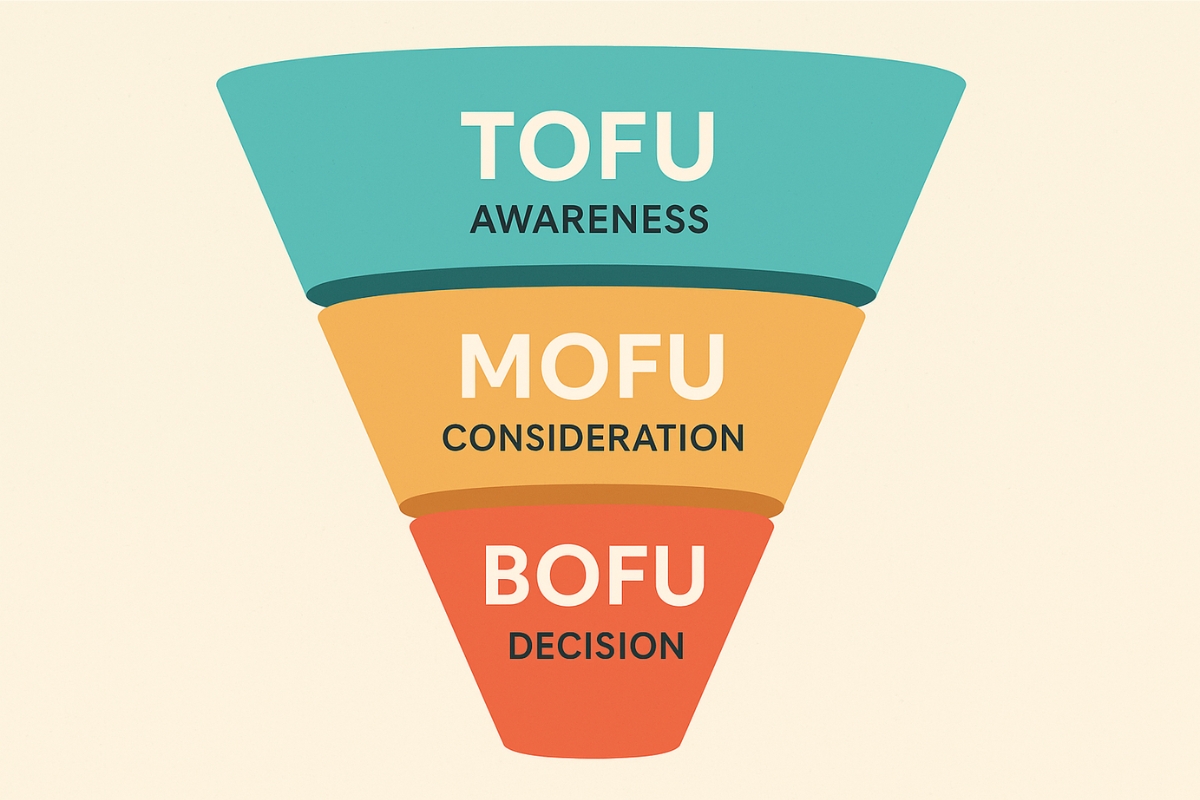
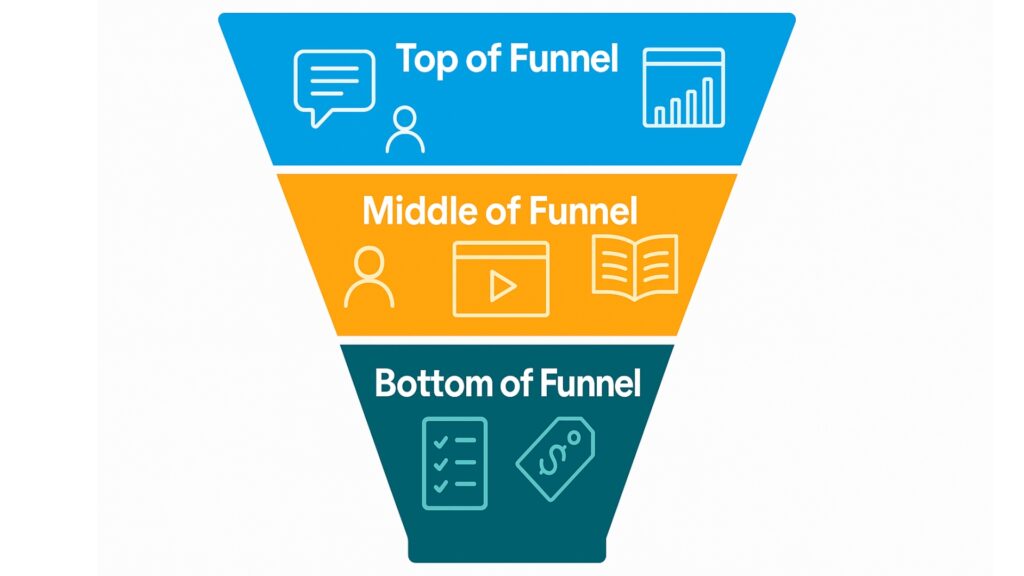
A content funnel typically includes three stages:
- Top of Funnel (TOFU): This is where content is focused on discovery. Blogs, social media posts, videos, and infographics that answer questions or provide general knowledge belong here. They attract new visitors who may not yet know your brand.
- Middle of Funnel (MOFU): This stage nurtures the relationship. Think educational content like webinars, in-depth guides, case studies, or email sequences. It helps prospects see your expertise and why you’re the right choice.
- Bottom of Funnel (BOFU): Now it’s time to convert. This is where decision-making content shines: product pages, testimonials, comparison posts, and pricing pages.
Info box: Understanding content funnel stages helps structure your strategy with intent so each piece of content serves a purpose and is critical for building a simple yet effective evergreen content strategy.
Step 2: Inventory Your Existing Content

Next, take stock of all your content assets. This isn’t just about blog posts – include videos, podcasts, social media content, landing pages, emails, and downloadable resources.
Create a spreadsheet or use a tool like Notion or Airtable and capture the following data:
- Content title
- URL or location
- Format (blog, video, guide, etc.)
- Funnel stage
- Target audience or persona
- Publish date and last update
Organizing your content in this way gives you a bird’s-eye view of your funnel and helps you spot gaps that could be addressed in your broader content marketing plan.
Step 3: Measure Performance Metrics
Step 3: Measure Performance Metrics
With your content inventory ready, it’s time to analyze performance. This step turns data into direction.
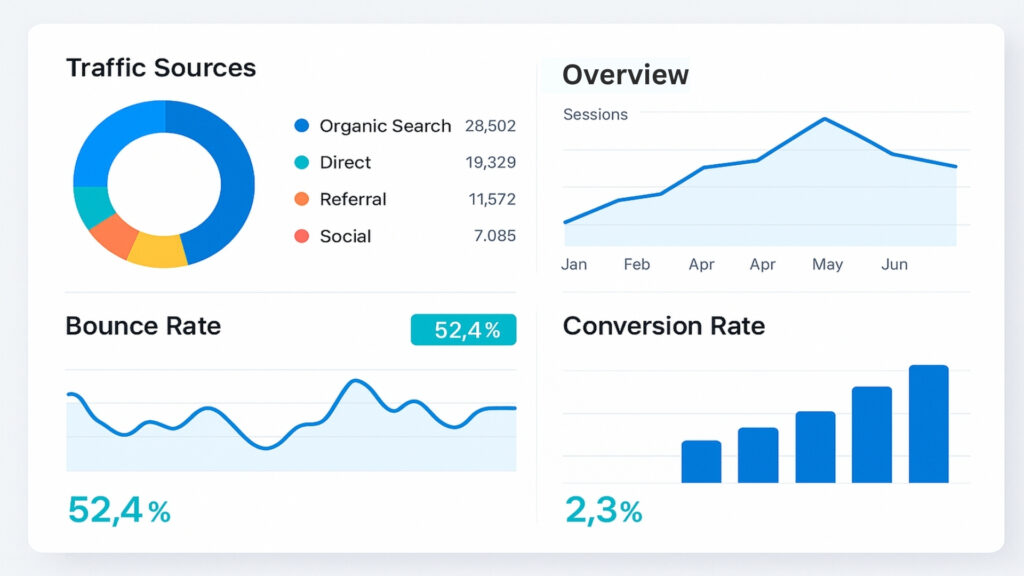
Key metrics to track:
- Page Views: Measure reach.
- Traffic Sources: See where visitors come from (search, social, direct, referrals).
- Bounce Rate: Check if users stay or leave quickly.
- Time on Page: Shows engagement.
- Conversion Rate: Track opt-ins, downloads, purchases, or other actions.
- SEO Metrics: Keyword rankings, backlinks, impressions.
Tools like Google Analytics, Search Console, and your email marketing platform provide most of this data. Add everything to your spreadsheet (or tracking tool) so you can spot patterns easily.
Info Box: An AI tool like ChatGPT can be a game-changer here, it helps process all the numbers you’ve gathered and highlight clear takeaways, saving time and guesswork.
Step 4: Identify Gaps and Weak Spots
Now, evaluate what the data reveals:
- TOFU: Is it bringing in enough new traffic?
- MOFU: Does it build trust and educate?
- BOFU: Is it persuasive and action-driven?
Audience Segments: Are any groups underserved?
Look for holes in the journey – for instance, if users land on a blog post (TOFU) but have nowhere to go next, it may reveal common content funnel mistakes that need fixing.
Gap identification helps optimize the flow of the funnel so users move smoothly from discovery to decision.
Step 5: Update or Remove Underperforming Content

Now that you’ve identified what’s working and what’s not, make smart decisions about what to do with each piece:
- Keep: High-performing and evergreen content should be maintained regularly.
- Update: Revive older pieces with fresh data, modern examples, improved visuals, or stronger CTAs.
- Remove or Redirect: Eliminate outdated, duplicate, or low-quality content. Use 301 redirects to guide users to newer resources.
This process not only improves user experience but also boosts SEO by reducing clutter and strengthening your site’s authority.
Step 6: Align with the Buyer’s Journey
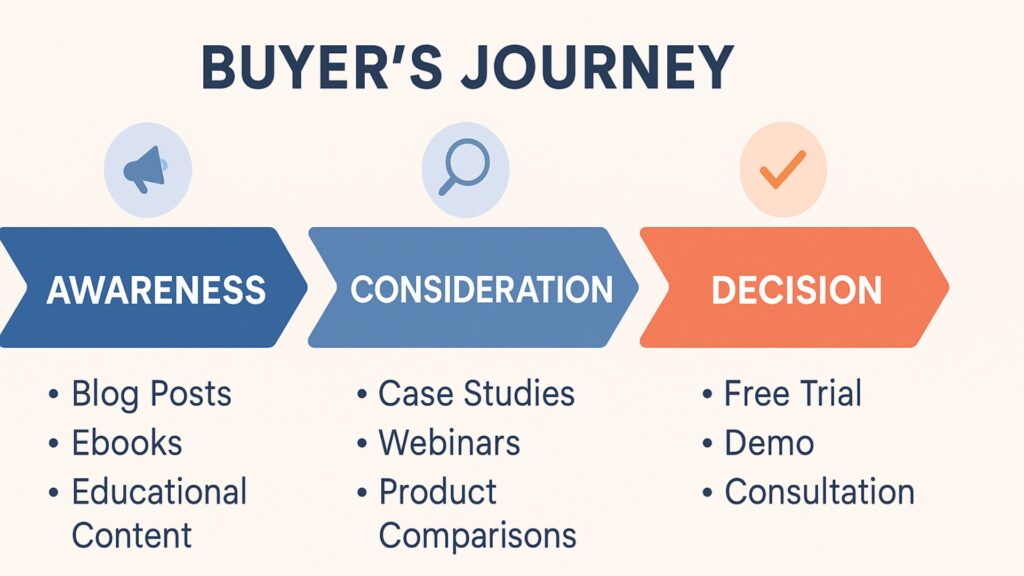
Make sure each piece of content supports the customer’s journey:
- Awareness Stage: Are you educating or solving a pain point?
- Consideration Stage: Are you helping them compare options or understand your value?
- Decision Stage: Are you addressing objections and encouraging action?
Ensure that your calls-to-action align with the user’s intent at that stage, whether it’s a blog sign-up, an email sequence, or even experimenting with ChatGPT to generate content ideas for nurturing campaigns.
A soft “read more” CTA works for TOFU, while a direct “get a quote” fits BOFU.
Creating a logical path from one piece of content to the next builds trust and increases conversions.
Step 7: Plan Your Content Improvements
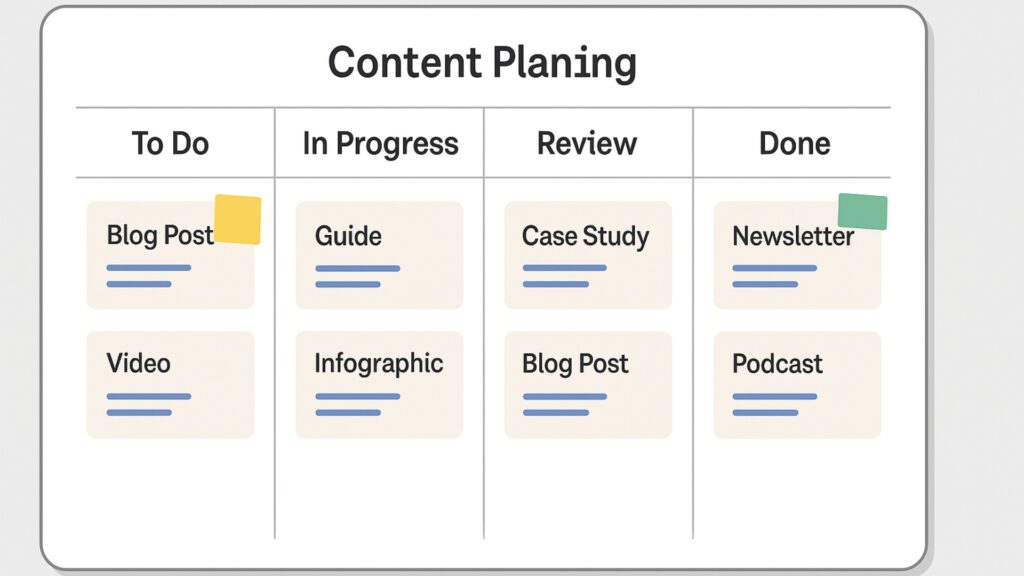
Based on your audit, build a prioritized improvement plan:
- What new content needs to be created?
- Which pieces should be optimized or expanded?
- Where do stronger CTAs need to be added?
- Can visuals, infographics, or videos enhance understanding?
Use this to form a content roadmap for the next 30, 60, or 90 days. Document responsibilities, due dates, and goals.
Step 8: Track and Repeat
A content audit is not a one-and-done event. Set up a recurring schedule (quarterly is ideal) to keep your funnel fresh and effective.
Each audit cycle will help you:
- Track improvements
- Test new formats and strategies
- Refine your messaging
- Adapt to algorithm or audience changes
By making it a habit, you’ll stay ahead of the curve and continue delivering high-value content that drives results.
Final Thoughts on Your First Content Funnel Audit
Doing a content funnel audit might feel overwhelming at first, but with a clear roadmap, it becomes a simple yet powerful tool for optimizing your content strategy.
It’s not just about cleaning up old posts, it’s about sharpening your message, serving your audience better, and turning your content into a strategic business asset.
Stay consistent, focus on value, and let your content funnel do the heavy lifting.
Frequently Asked Questions
Ideally, a content funnel audit should be performed every 3 to 6 months. This allows time to gather meaningful data, identify trends, and adjust your strategy based on performance and market shifts.
Not at all. Basic tools like Google Analytics, Google Sheets, and your CMS can get you started. As you scale, platforms like Notion, Airtable, or content audit plugins can streamline the process.
A content audit reviews your entire content library for performance, accuracy, and relevance. A content funnel audit is more focused it evaluates how content guides users through specific funnel stages (awareness, consideration, decision).
Focusing only on traffic. While traffic is important, content needs to guide visitors toward a goal. Overlooking conversion paths, weak CTAs, or misaligned funnel stages can limit results even with high traffic.
Yes, but it’s better to be strategic. A well-crafted guide can attract new visitors (TOFU) and educate them (MOFU). However, clarity is key, each piece should still have one dominant goal or intent.
If a blog post meant to attract new visitors includes aggressive sales CTAs, it may turn users off. Conversely, if a BOFU landing page is too educational without prompting action, it might be missing conversions. Analyze engagement metrics and user behavior for clues.